

A study of nearly 100,000 people confirmed the effect. The relief: your brain isn't rotting, and the damage is reversible. Here is how.
The Short Answer
"Brain rot is real but reversible. A 2026 review of 71 studies and nearly 100,000 people linked heavy short-form video use to poorer attention and impulse control. The changes are habits of attention, not permanent damage, so reducing short-form video and practicing focus restores it over time."
You feel it after a long scrolling session. The mental fog. The scattered attention. The strange difficulty reading more than a paragraph without reaching for your phone. That feeling now has a name, a word of the year, and a growing pile of research behind it.
The word is brain rot. And in 2026 it stopped being a joke and became a genuine scientific conversation. Here is what the evidence actually says and, more importantly, how to undo it.
98,000 Participants in the 2026 meta-analysis on short-form video
71 Separate studies reviewed, all pointing the same direction
200k Monthly searches for the term brain rot
200k Monthly searches for the term brain rot
What Brain Rot Actually Is
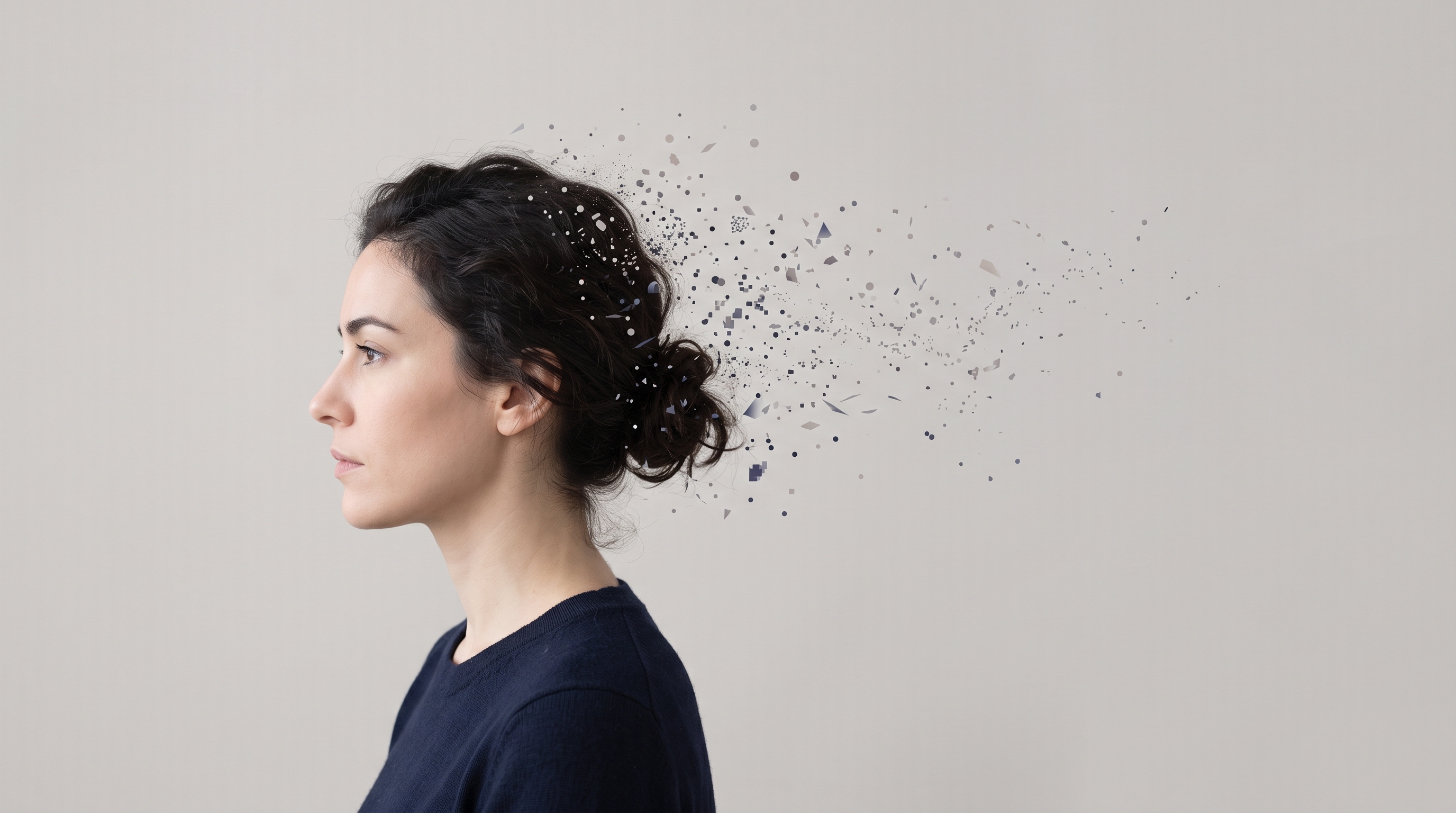
Brain rot is not a clinical diagnosis. It is internet slang for the foggy, scattered feeling after hours of rapid-fire content. But researchers have now measured what users intuitively sense, and the slang points to something real.
A 2026 meta-analysis published in Psychological Bulletin reviewed 71 studies covering almost 100,000 people. The finding was consistent: heavy engagement with short-form video- TikTok, Reels, Shorts- was associated with poorer cognitive performance. The domains hit hardest were attention and inhibitory control: your ability to focus on one thing and resist distraction.
"You are not losing the capacity for attention. You are practicing its opposite, thousands of times a day."
Why Short-Form Video Does This to Your Brain
The mechanism is simple and a little unsettling. Each swipe delivers a fast, small burst of dopamine. Every clip might be the exciting one, so your brain learns to keep checking for the next hit. This trains one micro-behavior on repeat: evaluate in under two seconds, abandon, next.
Do that thousands of times a day and your brain gets very good at rapid disengagement and worse at sustained focus. That rehearsed impatience does not stay on the app. It generalizes to books, work, conversations, and anything that rewards you slowly. The feed is designed to end sessions by interruption, not by your choice.
"Important: This is informational, not a medical diagnosis. Some symptoms overlap with conditions like ADHD. If your focus problems are severe or affecting your life, speak with a licensed professional."
The Good News: Your Brain Isn't Actually Rotting
Here is the part the fear-mongering headlines leave out. The changes are functional, not structural. Your brain is not decaying. It is doing exactly what you trained it to do, and it can be trained back.
The Fear
Short-form video is permanently damaging your brain and destroying your attention span for good.
The Reality
The effects are reversible habits of attention. Reduce the input and practice sustained focus, and your attention recovers over time.
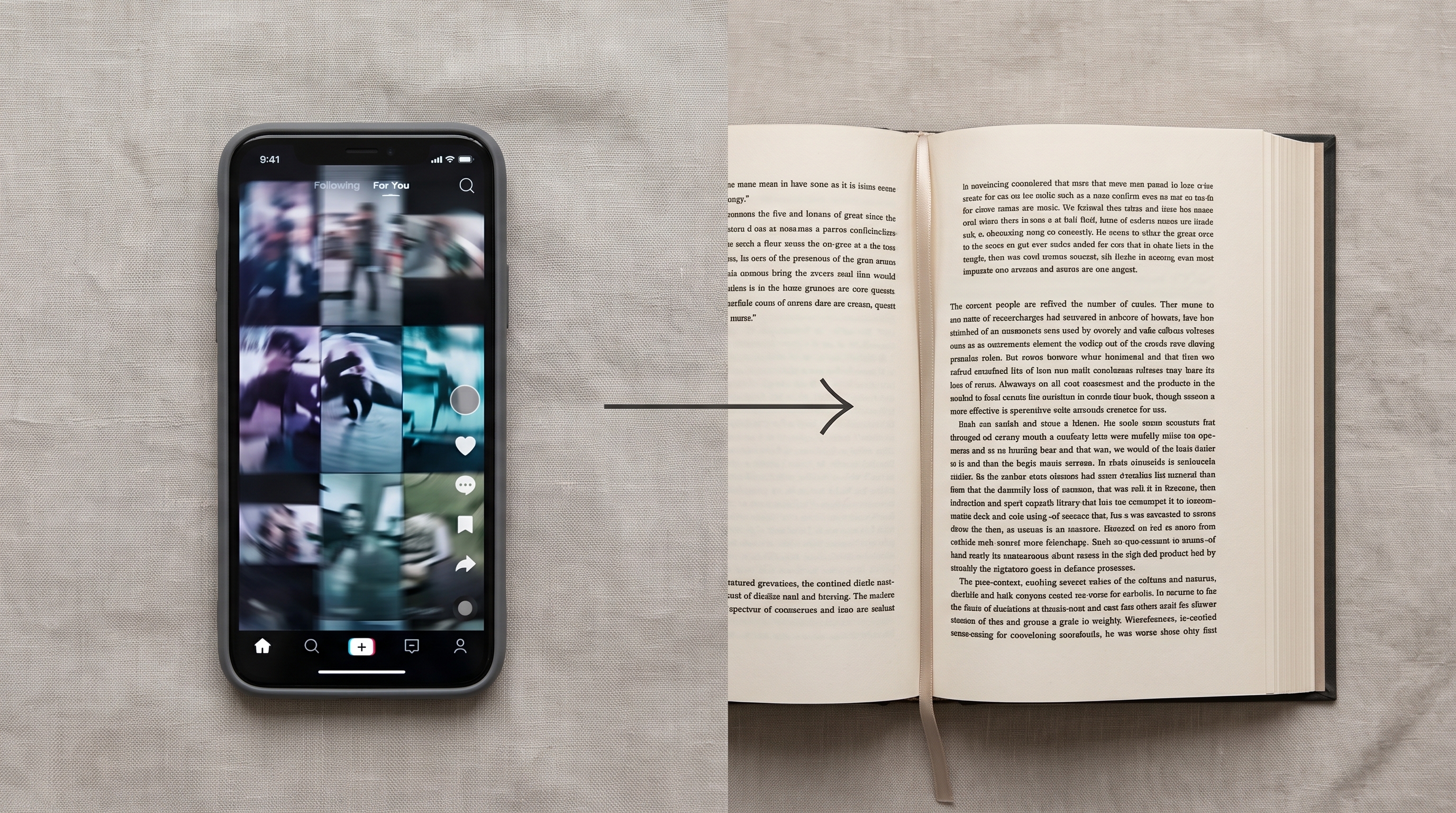
Attention works like a muscle. Short-form video trains it for sprinting between novelties. Deliberate focus trains it for endurance. The fix is not quitting your phone forever; it is changing what you practice.
How to Reverse Brain Rot: The Method That Works
The research points to a clear, boring, effective set of steps. Not a detox retreat. Just consistent changes that retrain your attention.
Add friction to the apps that cause it
The single most effective step. Move short-form video apps off your home screen and block them during set hours, so opening them takes deliberate effort instead of a reflex. Friction breaks the automatic swipe loop.
Rebuild your attention span on purpose
Read a physical book for 20 minutes. Watch a full-length film without a second screen. These feel hard at first because your brain is out of practice; that difficulty is the workout doing its job.
Protect your sleep from the scroll
Heavy short-form use is linked to later bedtimes and worse sleep, and poor sleep worsens attention further. Block the apps 30 to 60 minutes before bed to break the cycle from both ends.
Replace the scroll, don't just remove it
An empty gap gets refilled by the old habit within days. Attach a specific replacement to the freed time: a walk, a hobby, real conversation so your brain has a slower reward to move toward.
Make the changes automatic
Willpower fails against apps engineered to defeat it. A scheduled blocker removes the decision entirely, so the reduction happens on autopilot instead of depending on how strong you feel that day.
Why an App Blocker Is the Core Fix
Look at the steps above. Nearly every one depends on friction and consistency, making the apps harder to reach every day, without relying on willpower. That is exactly what a scheduled blocker is built for.
Detach blocks short-form video and other high-stimulation apps on a schedule you set once, with a commitment lock that holds when your focus is weakest. It is the practical tool the brain-rot research points to: friction, applied automatically. Free, no account, five minutes to set up.
Retrain Your Attention Starting Today
Detach adds the friction that breaks the swipe loop automatically. Block the apps rotting your focus and start rebuilding it. Free, no account, five minutes.
Get Detach Free → getdetach.appFrequently Asked Questions
Is brain rot real or just a meme?
Both. Brain rot is internet slang, not a clinical diagnosis, but the effect is real. A 2026 review of 71 studies and nearly 100,000 people found heavy short-form video use is linked to poorer attention and impulse control.
Can brain rot be reversed?
Yes. The changes are functional habits of attention, not permanent structural damage. Your brain is trainable in both directions, so reducing short-form video and practicing sustained focus can restore attention over time.
How does short-form video affect the brain?
Each swipe delivers a fast dopamine hit and trains your brain to expect constant novelty. Over thousands of daily reps, this rehearses rapid disengagement, which weakens sustained attention and makes longer tasks feel boring.
How long does it take to recover from brain rot?
There is no fixed timeline, but most people notice improved focus within a few weeks of consistently reducing short-form video and protecting deep-focus time. Consistency matters more than intensity.
What is the best way to stop brain rot?
Add friction to the apps that cause it. Block short-form video apps during set hours with a scheduled blocker, protect your sleep, and replace scrolling with a slower reward like reading rather than just removing it.