



No confiscation. No guilt. No daily fighting. Just a research-backed approach that actually works and keeps your relationship intact.
The Short Answer
"To help your child use their phone less, avoid sudden confiscation. Instead, agree on clear phone-free times and zones together, model the same limits yourself, and use a scheduled app blocker to enforce the boundaries consistently. Collaboration works far better than control."
If you are worried about how much time your child spends on their phone, you are not overreacting, and you are far from alone. It is one of the most common parenting concerns of 2026 and one of the most stressful, because the usual response of grabbing the phone away tends to start a war rather than solve anything.
There is a calmer, more effective way. Here is what the research and child psychologists actually recommend.
7+ hrs Average daily phone use for American teens
#1 Predictor of a child's screen time is the parent's own screen time
9–12 Age range when phone habits most often take hold
First, Take a Breath: Confiscation Usually Backfires
The instinct to simply take the phone away is understandable. It is also, according to most child psychologists, one of the least effective moves available. Sudden confiscation tends to trigger conflict, secrecy, and rebellion, and it teaches nothing about self-regulation, which is the actual goal.
The aim is not to win a battle over the phone. It is to help your child build a healthier relationship with it that outlasts your rules.
Child psychologists recommend making changes at a neutral moment, not in the heat of an argument. Calm brains communicate best. A conversation about phone habits goes far better on a quiet Sunday than in the middle of a screen-time standoff.
Start With Yourself: It Matters More Than You Think
This is the part most parents skip, and it is the most powerful. Research shows one of the strongest predictors of a child's screen time is the parent's own screen time. Children learn what they see, not what they are told.
If you check your phone at dinner, your child learns that dinner is phone time. If you scroll in bed, that becomes the family norm. The single most effective step you can take is to model the behavior you want, which also makes every rule you set feel fair rather than hypocritical.
A note: This is general guidance, not medical or psychological advice. If your child's phone use is tied to anxiety, depression, or withdrawal, please consult a licensed professional. Compulsive use can sometimes be a sign of a deeper issue.
The Calm 5-Step Plan That Actually Works
This approach is built on collaboration and consistency rather than control and conflict. It works because your child helps build it.
Have the conversation together, not at them
Sit down at a calm moment and involve your child in the discussion. Ask what they think is reasonable. Children and teens follow rules they helped create far more than rules imposed on them. Aim for agreement, not decree.
Create phone-free zones and times
Designate clear boundaries the whole family follows: no phones at the dinner table, no phones in bedrooms overnight, no phones for the first hour after school. Consistency is what makes these stick.
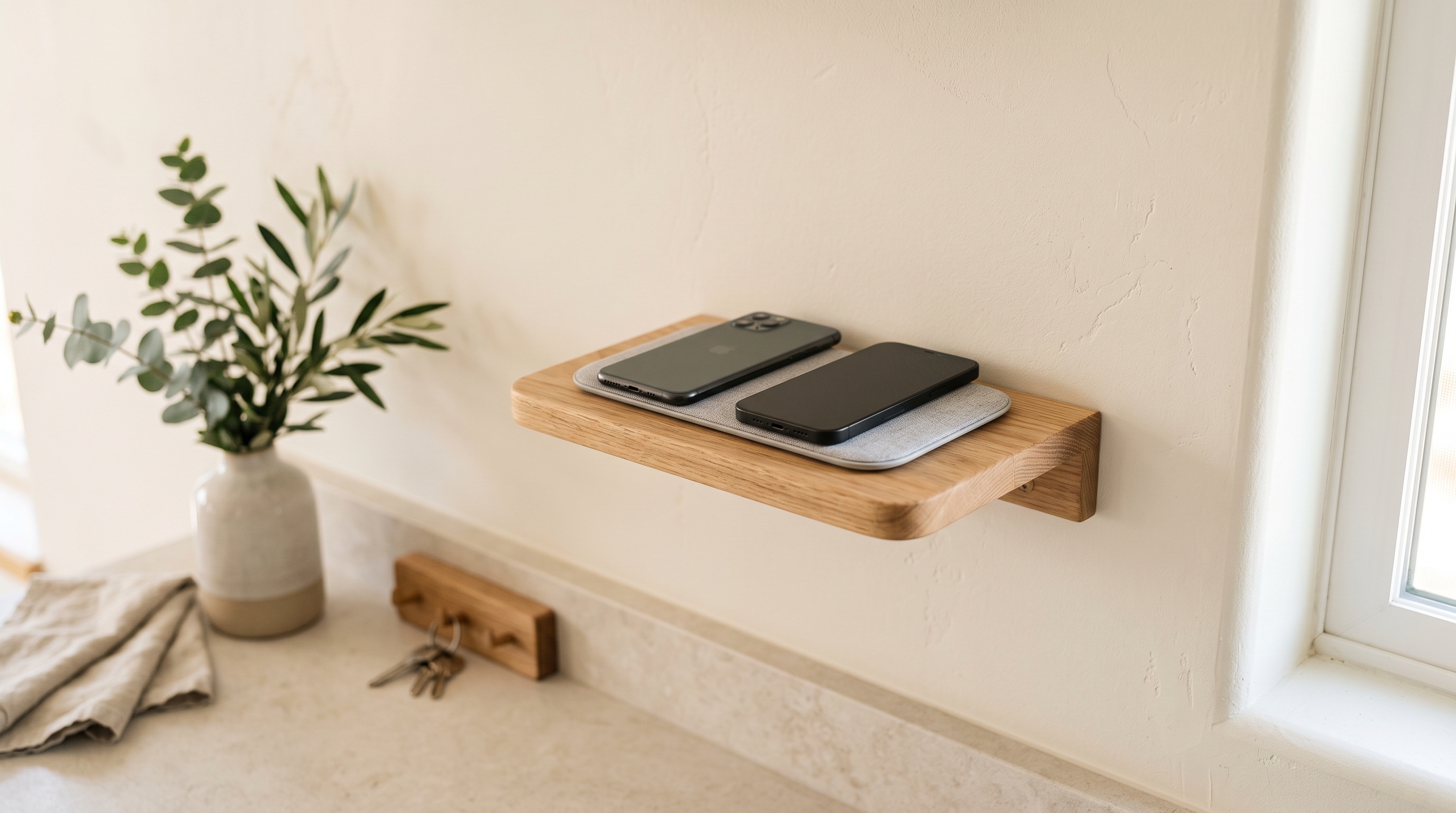
Set one home for all devices
Psychologists recommend a single charging spot: a cupboard or shelf where all phones go at set times. When the phone goes away, it goes on the charger, and that is that. The physical routine removes nightly negotiation.
Replace screen time with real alternatives
Simply removing the phone leaves a gap that breeds resentment. Fill it: sports, clubs, family time, a hobby. Kids resist losing something. They resist far less when something engaging takes its place.
Use a tool to hold the boundaries automatically
Rules that rely on constant policing exhaust everyone. A scheduled app blocker enforces the agreed limits automatically, so the phone-free times simply happen: no reminders, no nightly argument, no playing the bad guy.
Why a Shared App Blocker Beats a Surveillance App
Many parental control apps are built around monitoring and secrecy, which often damages trust. A better model is a shared boundary the whole family uses, including you. That turns the rule into a team effort rather than a punishment aimed at your child.
Detach works this way. It blocks distracting apps on a schedule everyone agrees to, with a commitment lock that holds during phone-free times. Your child sees you using it too, which removes the double standard and makes the whole thing feel fair. It is free, needs no account, and takes five minutes to set up for the family.
Make Phone-Free Time Actually Happen
Detach enforces your family's agreed limits automatically- no policing, no arguments. Set it up together in five minutes. Free, no account required.
Get Detach Free → getdetach.appFrequently Asked Questions
At what age should I worry about my child's phone use?
There is no single age. Worry less about the number and more about the impact. If phone use is disrupting sleep, school, mood, or real-world friendships, it is worth acting on regardless of age.
Should I just take my child's phone away?
Most child psychologists advise against sudden confiscation. It usually triggers conflict and rebellion. A calmer, more effective approach is agreeing on clear boundaries together and using tools to enforce them consistently.
How much screen time is healthy for a child?
Guidelines vary by age, but experts stress quality and context over a strict number. What matters most is whether screen time displaces sleep, physical activity, schoolwork, and face-to-face connection.
Does my own phone use affect my child's habits?
Yes, strongly. Research shows one of the biggest predictors of a child's screen time is the parent's own screen time. Modeling healthy limits yourself is one of the most effective things you can do.
What is the best way to limit my child's phone use?
Combine clear family rules with a tool that enforces them. Agree on phone-free times and zones, then use a scheduled app blocker so the limits hold automatically without a daily argument.